When Ephesus Seventh-day Adventist Church in San Antonio, Texas, prayed for a new way to reach their community, no one imagined the answer would involve corn riblets, poncho puffs, and a rodeo bustling with more than a million visitors. Yet that was exactly how God opened doors.
For decades, churches relied on evangelistic tents and series to draw visitors. But as society changed, Ephesus, led by Pastor Robert Norwood, recognized the need for a new approach, asking: “How can we bring the gospel to where the people already are?”
The answer came through an unlikely venue — the famous San Antonio Stock Show & Rodeo, located just six minutes from the church and drawing roughly 1.5 million visitors annually. The rodeo presented a mission field unlike anything the congregation had previously imagined.
When asked why the church chose to participate in the rodeo, Norwood’s response was simple: “The gospel mission.” If the community was gathering there, he believed, then the church should be there too.
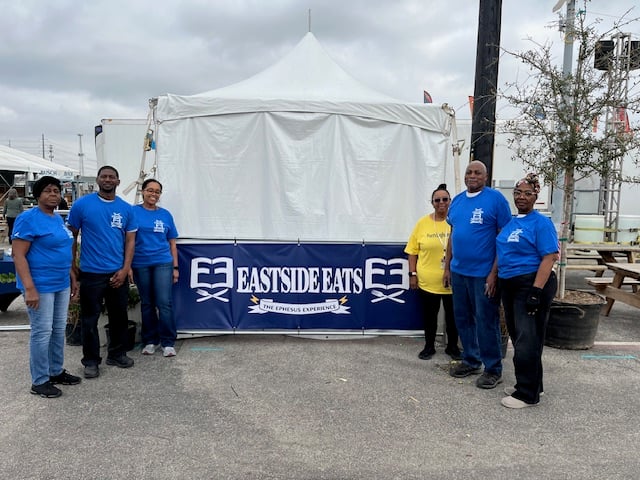
From this conviction, East Side Eats was born — a food booth combining plant-based dishes with spiritual outreach. The name referenced both the church’s neighborhood and its purpose: nourishing body and soul. Its theme was Psalm 34:8: “O taste and see that the Lord is good.”
The acronym EATS further captured the booth’s spiritual mission:
E – Experience the goodness of God
A – Accept the goodness of God
T – Trust the goodness of God
S – Share the goodness of God
Offering vegan food at a Texas rodeo required faith … and a sense of humor. “We didn’t know what we were doing,” Norwood recalled with a laugh. Nonetheless, if they were going to preach trust in God, they intended to live it. With no prior experience or template, the team entered the rodeo with less than a month to prepare, learning on the go.
Visitors were met with creativity and flavor. The corn riblets became an instant hit, and the “poncho puffs” — a vegan hot dog in a fried tortilla shell — stood out. The rodeo coincided with Lent, and many Catholic attendees were abstaining from meat. For the first time, the rodeo had a fully plant‑based vendor. Guests arrived grateful, curious, and excited to try something new.
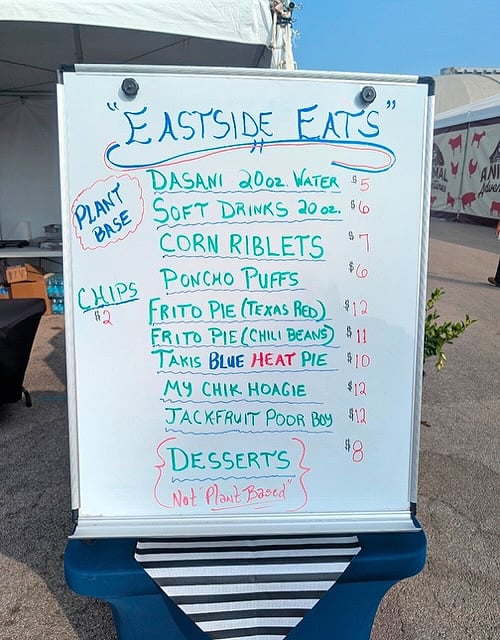
By the end of the rodeo, East Side Eats had served about 1,000 people, sparking conversations that reached far beyond food.
Though the meals brought crowds, ministry remained central. Ephesus became the first Adventist and first church vendor of any denomination in 76 years at the rodeo. The booth featured a Bible worker, literature, prayer opportunities, and information about the church’s free monthly dental clinic, which they hope to expand with mental health services.
The spiritual impact was immediate. The Bible worker collected 10 names for Bible studies. Another visitor shared that months earlier, church members had prayed for a woman battling cancer. She came to announce she had been declared cancer‑free.
Even the logistics showed signs of divine intervention. One day, a scheduling mistake left no one assigned to the evening shift, yet without being contacted, volunteers showed up anyway. Over and over, God resolved challenges in ways that strengthened the team’s faith.
One of the greatest blessings was within the church itself. Fifty‑one volunteers worked side by side, bringing members closer and strengthening bonds across generations. Young people gained confidence, developed skills, and even found unexpected opportunities. For instance, one volunteer landed a job using the rodeo experience as a reference.
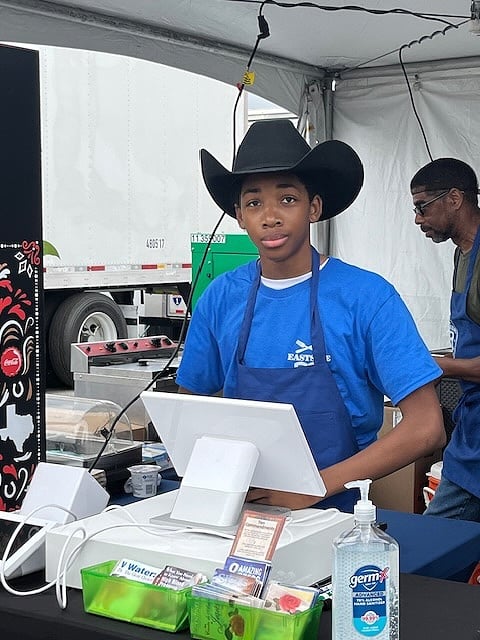
“What we do in the Adventist church is we go to church on Sabbath, and many of us go home,” Norwood reflected. This event “gave us a chance to see each other differently and to get to know each other on a personal level.”
For Norwood, East Side Eats is a model for churches seeking to connect meaningfully with their communities. “Find out what the need is and trust God,” he advises. “Don’t be afraid to try.” He encourages building relationships with civic leaders, joining community groups, and participating in local events.
The success of East Side Eats shows that people are still searching for hope, connection, and authenticity. “We have to be proud of the message,” Norwood says. “Let’s live the message, let’s work the message, because it will work for us.”
Sometimes, the first step toward discovering the goodness of God begins with something as simple — and powerful — as sharing a meal.