One of the most striking sequences in the experimental short Melting Pot — which opened the 2026 Sonscreen Film Festival — is a series of close-ups of filmmaker Kayli Pascal-Martinez, her parents, and siblings, their mouths covered in red, white, and blue paint. Silenced.
Fusing these images with news clips, archival material, and a poem exploring her mixed ancestry, Pascal-Martinez gives voice to the lived experiences of Native Hawaiians. Their stories are shaped by a complex history with the U.S. and ongoing social and economic challenges.
With Melting Pot, Pascal-Martinez was intentional about using her voice to encourage others to use theirs and raise awareness of the realities of life in Hawaii. “There are so many stories that are not told … communities that deserve to have their voices heard,” she said.
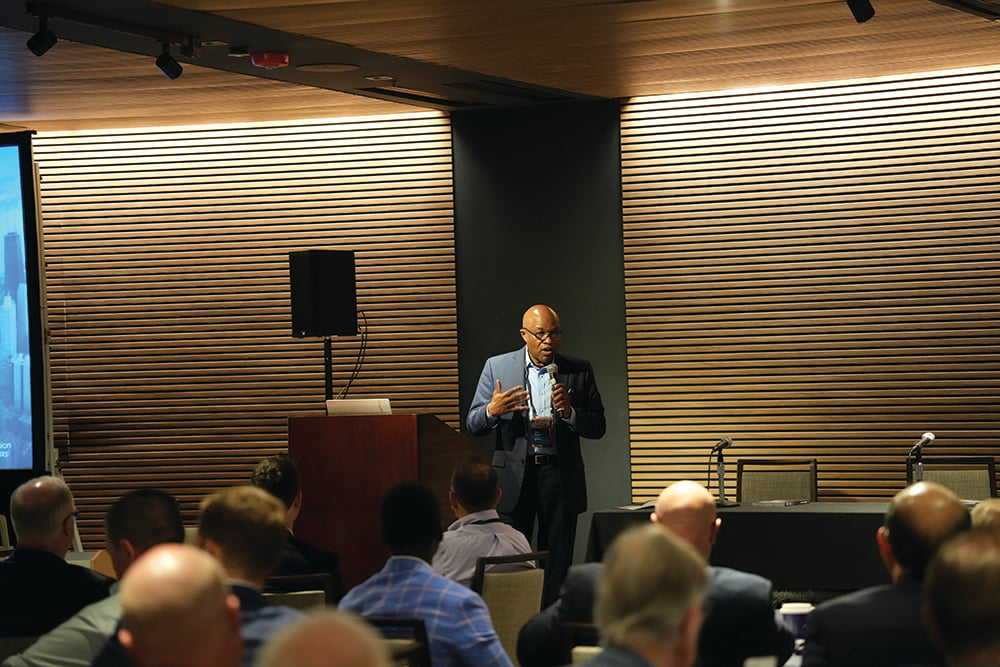
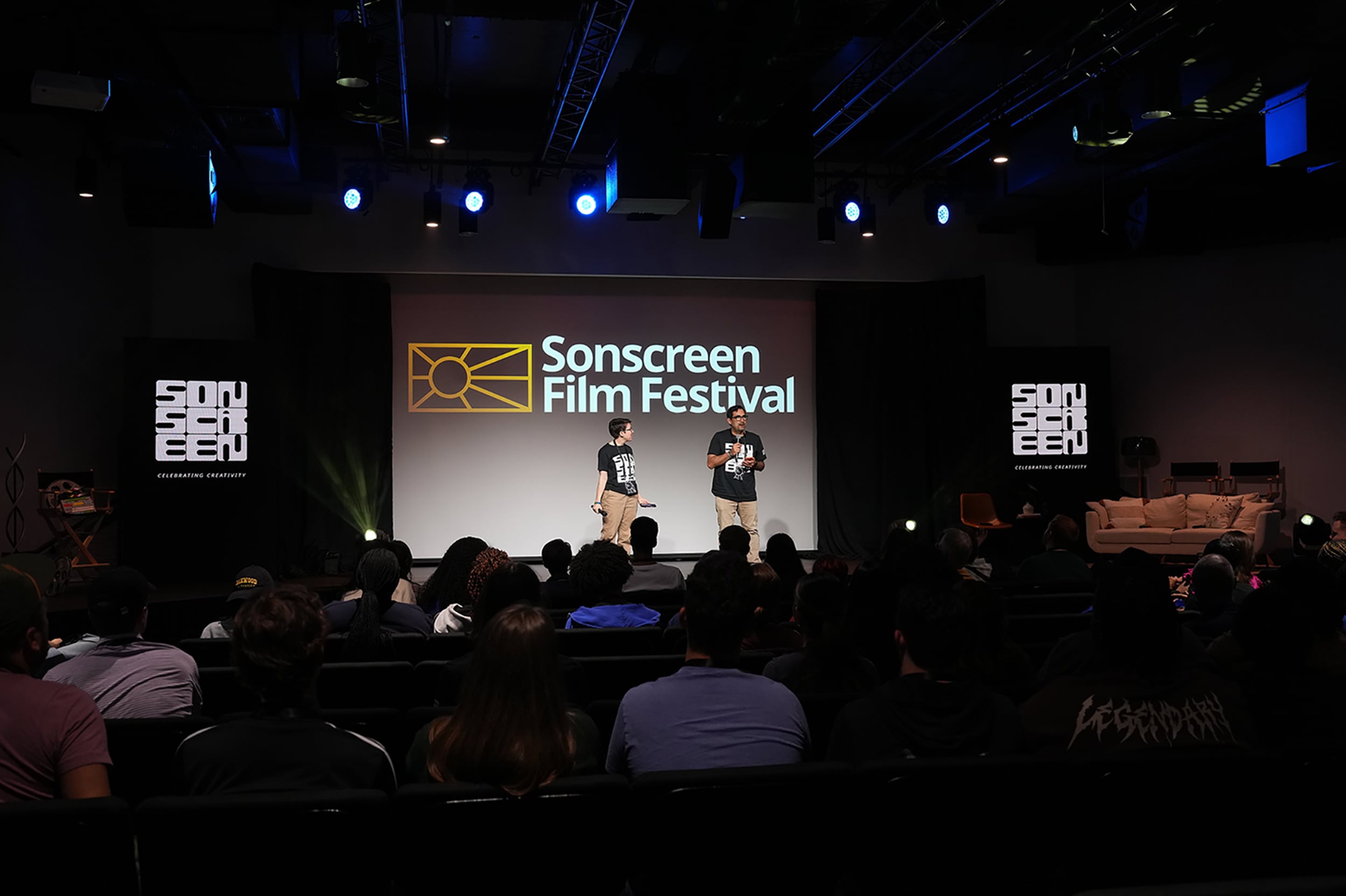
This focus on amplifying untold stories was at the heart of the North American Division’s 24th annual film festival for young creatives. Held April 9–11 at Loma Linda University Church in California, Sonscreen brought together 222 students, professional filmmakers, and guests. The jam-packed program showcased 56 student films and several professional projects, interspersed with workshops and networking opportunities with faith-based film professionals.
The event culminated in a pitch competition with cash prizes and a rooftop awards ceremony recognizing and celebrating emerging filmmakers.
Sonscreen Uniting People through Story
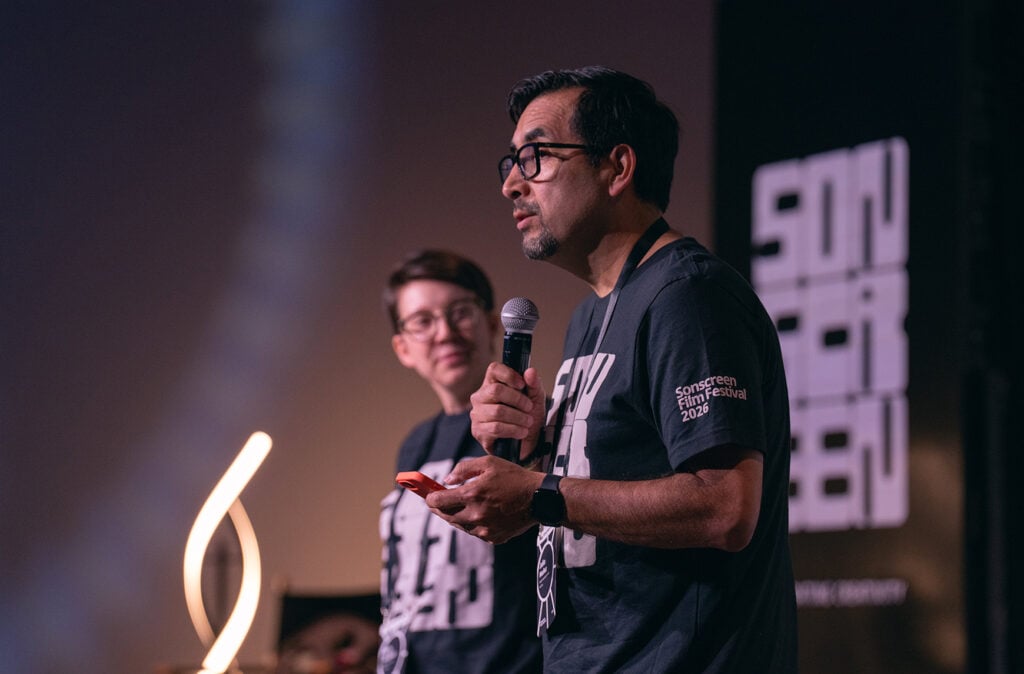
On opening night, Sonscreen executive director Julio C. Muñoz said, “It’s an honor to gather with all of you … from so many different places and backgrounds. What brings us together is something so deeply human, and that is storytelling.”
Muñoz underscored the power of story to foster empathy and build community. “This is a space where your voice matters,” he said, adding, “Creator God placed the impulse in us … to tell stories that reflect truth, struggle, beauty, and hope.”
Rynn Scribner, associate director, echoed this theme, describing creativity as a divine gift that reflects God’s image: “Creativity is not separate from worship. It’s one of the ways we participate in it.”
A total of 72 entries — one of the highest numbers post-COVID — were submitted for this year’s festival. Official selections were grouped into seven themed blocks, followed by Q&A sessions led by Adventist film faculty and professionals. Categories encompassed drama, documentary, comedy, art/experimental, and animation, with themes including faith, relationships, shared histories, identity, growing pains, and grief. A block of films focused on music, including music videos of different genres, and others touched on the surreal or comedic.
Participating schools included four Adventist academies: Eliathah SDA Creative Ministries, Richmond Academy, Pacific Union College Preparatory School, and Paradise Adventist Academy; five Adventist colleges/universities: La Sierra University, Oakwood University, Pacific Union College, Southern Adventist University, and Walla Walla University; and four non-Adventist colleges/universities: Broward College, John Paul the Great Catholic University, University of California Riverside, and University of Hawaii — highlighting Sonscreen’s growing reach and diversity. Additional schools, including two more academies, submitted films in absentia.
From Inspiration to Calling
Throughout the weekend, the presence of Sonscreen alumni, many of whom are working in film or related fields, demonstrated the festival’s lasting impact.
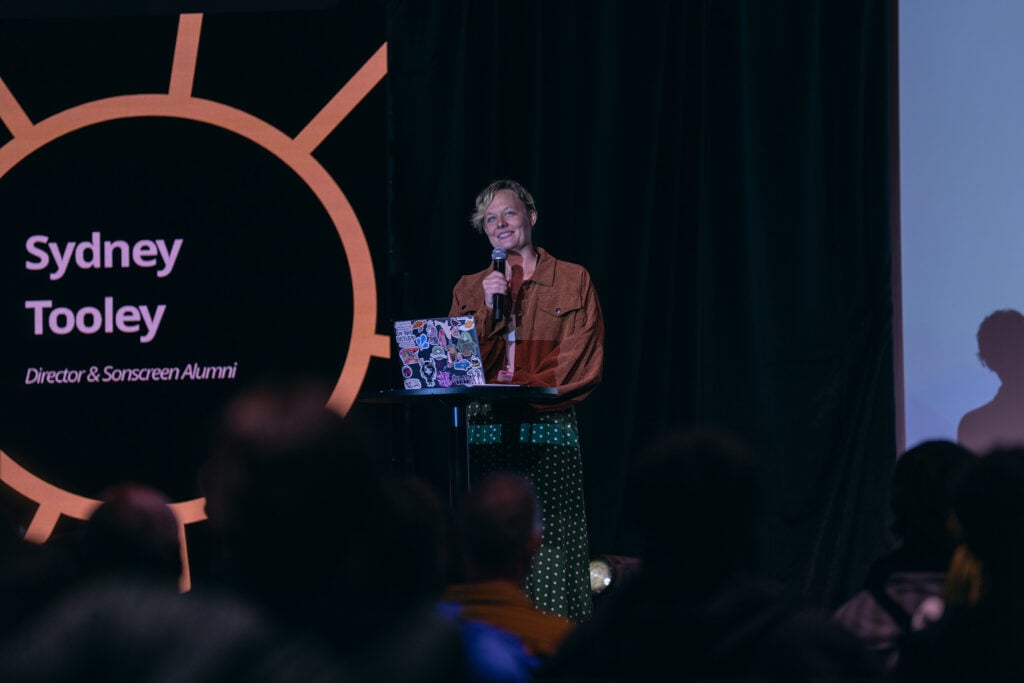
One alum, filmmaker Sydney Tooley, served as a judge and spoke on a journey shaped as much by struggle as by success.
Her film career began at Sonscreen with Sittin Pretty, a student short that broke all the rules of filmmaking — featuring kids, stunts, VFX, even a horse in the city. It lost all major categories, but won that year’s sole Jury’s Choice Award.
For the first time, Tooley felt seen.
“This award changed my whole life. The audacity of this film sent me down the path for the next five years to where I would make Sun Moon,” Tooley said.
After Sonscreen, and against all odds, she turned her master’s thesis into Sun Moon, a $1.2 million studio film, at age 28, with no industry connections.
But Tooley’s path has been far from linear. Burned out and grieving her grandfather, who passed during the production of Sittin Pretty, she quit film and spent a year teaching English in Taiwan. That unplanned detour became the foundation for Sun Moon, her feature film about a woman who travels to Taiwan to teach English after being left at the altar.
Tooley was candid about other low points, including challenges on the Sun Moon set. Ultimately, she shared that audacity, coupled with resilience, is critical to a meaningful film career.
“Creating anything takes audacity, because creativity and creating things is primal and emotional and vulnerable, and putting art into the world at all is risky … nothing happens without risk,” she said.
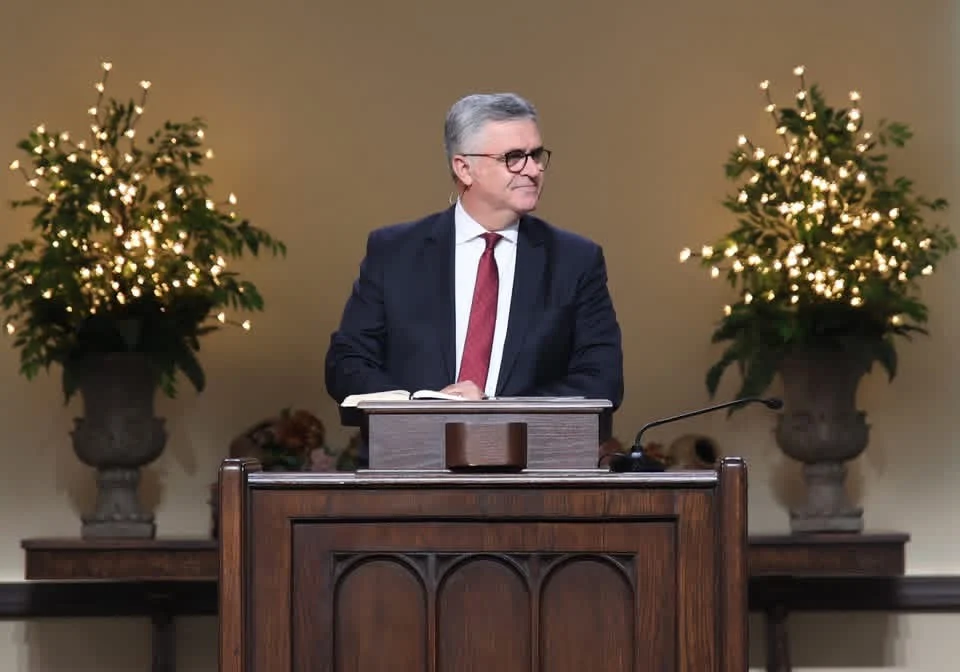
While Tooley gave her testimony of life after Sonscreen, other filmmakers unpacked what it means to be a Christian filmmaker more broadly. Among those was Kenneth Chang. Chang, filmmaker and executive director of Uncommon Voices Collective, who was first introduced to the festival in 2024 when he presented his semi-autobiographical film, “Refuse.”
He and other members of the collective emphasized the centrality of community. “Community is the lifeline of filmmaking,” he said, noting that beyond skill, filmmakers must surround themselves with people of character who will support them as individuals and creatives.
Finally, Chang lauded film as a means of creating hope in darkness. He noted that “Refuse,” which speaks to the power of love to overcome addiction and trauma, is his testimony.
Stories that Speak
This year’s student films continued Sonscreen’s legacy of using storytelling to entertain, inspire, educate, and highlight real-world issues. Several projects highlighted overlooked perspectives, while others expressed emotions that are universal yet difficult to articulate.
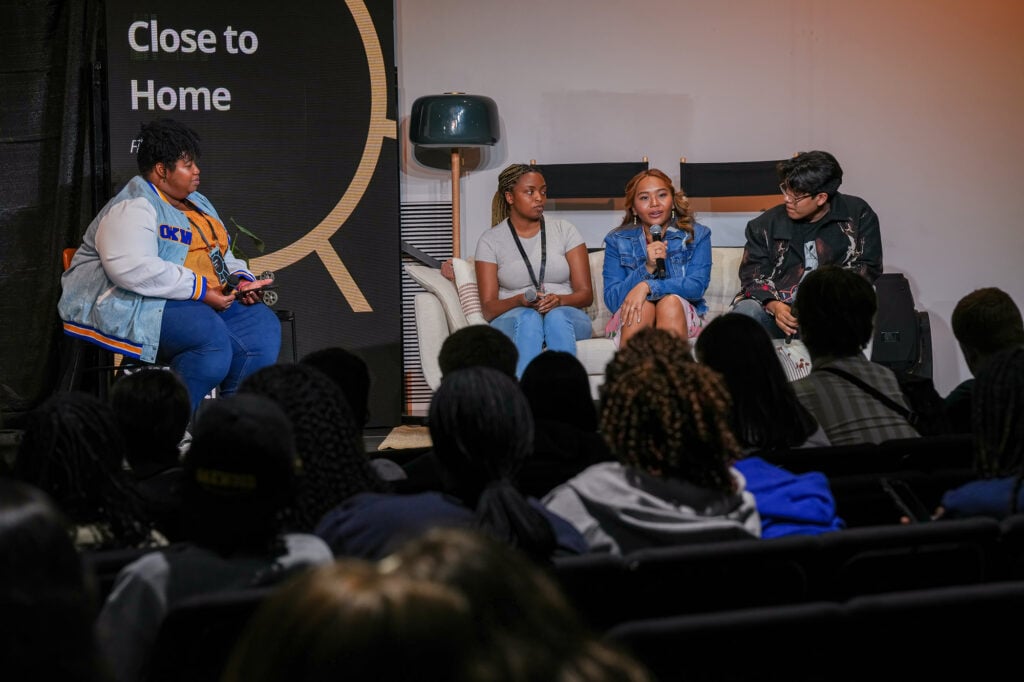
Films such as Melting Pot and The BlueBelles challenged stereotypes and demonstrated how story can preserve culture. The BlueBelles highlighted Appalachian music, a genre often reduced to “tradition” but rooted in resistance. Filmmaker Jhared Tula noted that “the music is dying day by day,” and took on this topic after asking himself, “Is this going to be the end of it?” He won second prize in the pitch competition to expand this project into a longer docu-series.
Among the most gripping stories were those informed by the ongoing war in Ukraine. In Intrusions, which won Best Micro Short, Alona Zahreba uses war images and visual effects to depict the anxiety of being safe in the U.S. while worrying about loved ones back home.
In Albedo, Kateryna Popravkino explores the psychological impact of war through the lens of grief, positing that the same protective mechanism that prevents grief from overtaking us dulls all other emotions. Both Zahreba and Popravkino evidenced film’s ability to heal, sharing that creating these projects helped them process their own trauma.
Faith was another recurring theme, reflected in stories of spiritual struggle, calling, mission, and the dangers of worldly striving. While not all the films had overtly Christian messages, several invited deeper reflection on how faith forms our identity and values.
During the Q&A for his satire A [Not So Great] Christian Film, Jacob Capiña challenged the notion that faith-based stories must be a sermon. “When we tell faith-based stories, sometimes we think we have to preach, but we are storytellers first,” he said.
Celebrating Emerging Filmmakers
Sonscreen concluded with an awards ceremony recognizing 21 outstanding student films. The jury, comprised of film professionals Tooley, Ryan Dixon, and Michael B. Kelly, not only selected winners but also offered feedback to each official selection.
For Pascal-Martinez, now a digital content producer in Honolulu, participating in the 2026 Sonscreen and winning the Special Jury Award for Achievement in Cinematic Advocacy was a homecoming.
While attending Sonscreen as a Hawaii Mission Academy student, the red, white, and blue visuals she saw in another film inspired her to turn a personal poem into Melting Pot. She completed Melting Pot as a University of Hawaiʻi–West Oʻahu film student, then returned to Sonscreen to share it.
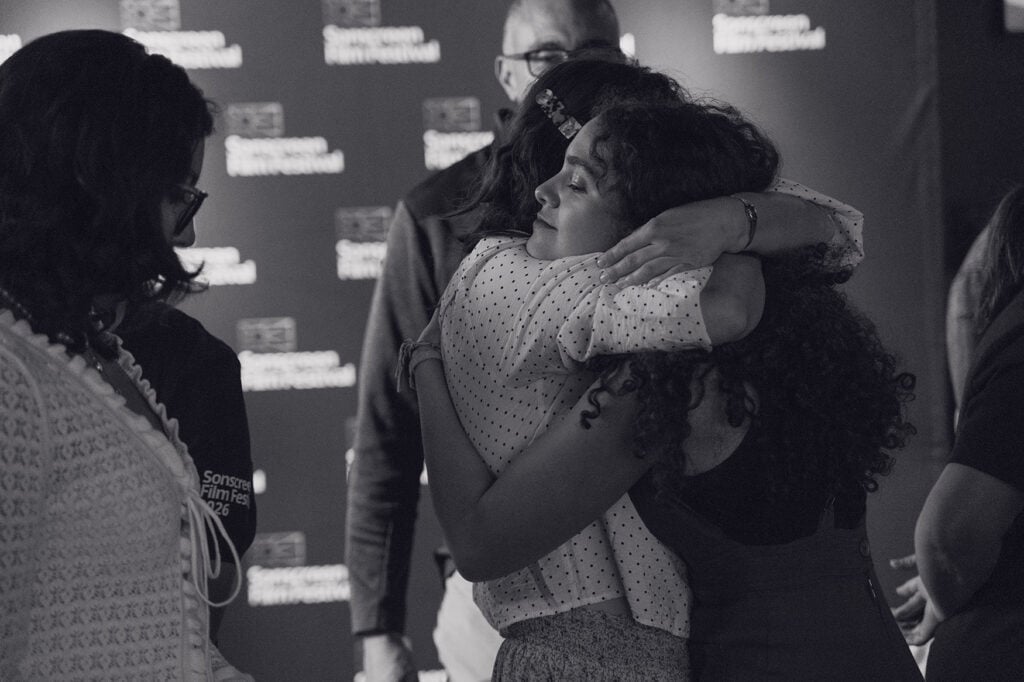
“It feels like a full-circle moment, and I’m really grateful,” she said on awards night.
This year’s Best in Festival award went to Ancestor by Sienna Escobar, which also won Best Art/Experimental Short. The film uses a striking photo collage format to explore identity, love, displacement, and the ache of separation through the intertwined stories of three Ukrainian students and their loved ones.
An emotional Escobar was moved to see that the stories of her film classmates and close friends had also touched others. Her inspiration for Ancestor was simple: “If you care enough about a person, you care about the people who made them who they are.”
Amid the diverse stories told at the 2026 Sonscreen, one message remained constant: storytelling through film is more than entertainment — it is a calling.
“This is sacred work. The holiest art in the world is not just being loud about God, but it is about being impossible to explain without Him. I don’t think the industry needs more talented people. It needs more redeemed imaginations,” Chang concluded.
Award-Winning Films
Best in Festival
Ancestor | Sienna Escobar and Jhared Tula
Audience Choice Award
The Heartbeat of the Sea | Kateri Esposito, Clareanne Ysmael, and Max Hulburt
Emerging Filmmaker Award
The Rhythm Section | Earl-Jordan Ploche
Best Narrative Short
Dead on TV | Connor Nelson
Best Animated Short
Something’s Afoot | Emily Livergood and Zane Taitano
Best Documentary Short
The Process of Honey | Noah Sturges
Best Art/Experimental Short
Ancestor | Sienna Escobar
Best Micro Short
Intrusions | Alona Zahreba
Best High School Short
Moth to a Flame | Alrae Spence and Agape
High School Special Jury Award: Achievement in Camera Craft
The Master Key | Paradise Adventist Academy
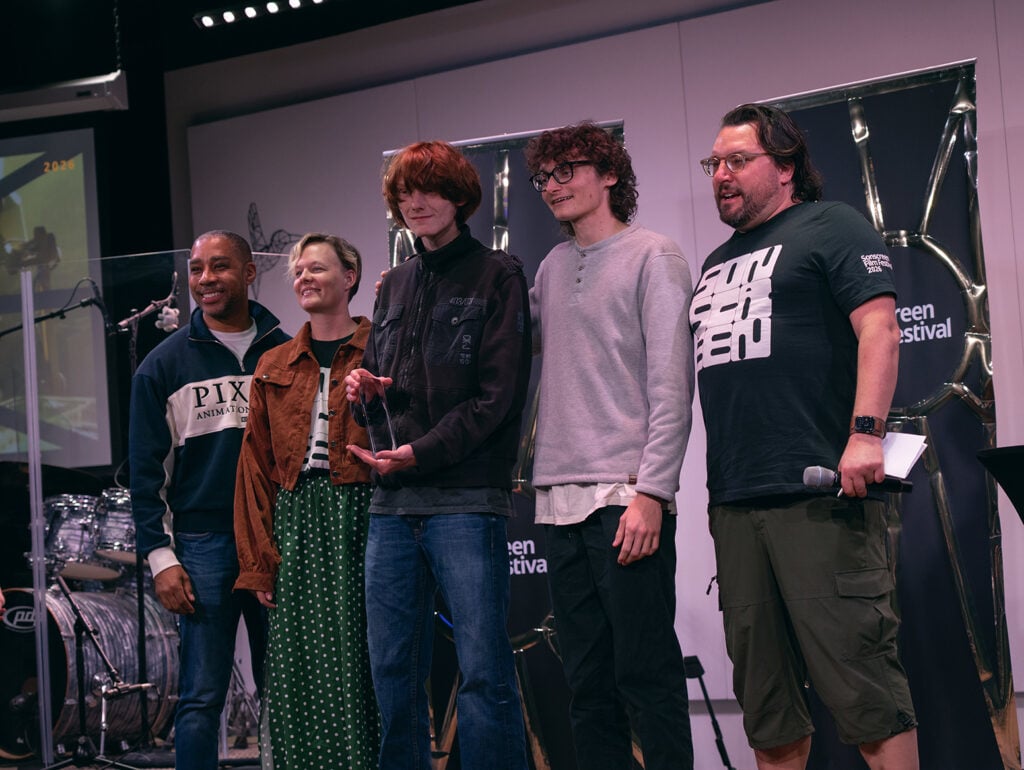
High School Special Jury Award: Achievement in Visual Storytelling
Herald! | Ben Muhic
Special Jury Award: Achievement in Commercial Cinematography
Apple Watch | Braden K., Chase R., and Taynna P.
Special Jury Award: Excellence in Commercial Storytelling
Do it Scared | Kevin Velasquez and Alexis Hunt
Special Jury Award: Achievement in Mise-en-Scène
Feed | Samuel Do
Special Jury Award: Achievement in Musical Storytelling
Phantom’s Lament | Jacob Capiña
Special Jury Award: Achievement in Cinematic Advocacy
Melting Pot | Kayli Pascal-Martinez, University of Hawaii West Oahu
Special Jury Award: Achievement in Editing
The Forgotten Ones | Jhared Tula
Special Jury Award: Achievement in Directing
Eyedentity Crisis | Jeremy Ramirez & Rileigh Juba
Special Jury Award: Achievement in Screenwriting
Deep Space | Evan Eslava & Emma Boushman
Special Jury Selection
The Melody | Eve Tol
Social Impact Award
Seventy-five Cents | Pax Fordham
Pitch Competition Winners
First Prize ($3,500)
Pantanal | Matheus Valente
Second Prize ($1,500)
Sounds of Appalachia | Jhared Tula
Third Prize ($750)
Revealed | Isabella Meadowcroft
Audience Choice ($250)
Mom’s| Yakov Olivarria
Special thanks to Sonscreen sponsors and partners North American Division of Seventh-day Adventists, Versacare Foundation, Hope Media Productions, Uncommon Voices Collective, Open Circle, and Loma Linda University Church.