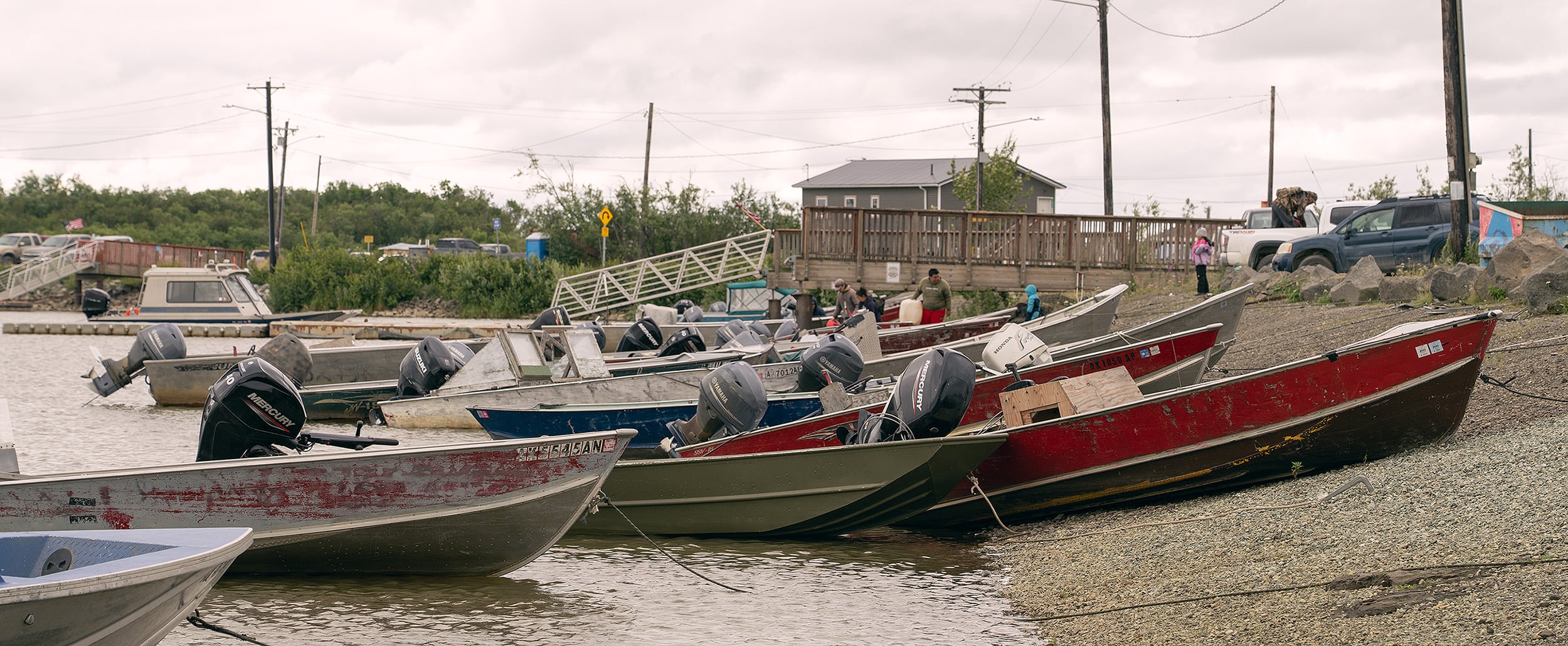
The Seventh-day Adventist Church has maintained a presence in “Bush Alaska” for decades. However, geographic isolation, cultural differences, loneliness, harsh and prolonged winters, and the high cost of living have made it difficult to retain long-term mission workers in these remote, predominantly Alaska Native communities. As a result, over the years, approximately five mission schools and at least seven churches and outposts have closed due to limited human and other resources.
“This is one of the most remote mission areas in the North American Division,” said Kyoshin Ahn, NAD executive secretary.
Today, the church has a presence in only 10 of the region’s approximately 200 villages. For the past 20 years, these efforts have been supported by Arctic Mission Adventure, the Alaska Conference’s primarily donor-funded outreach to remote communities.
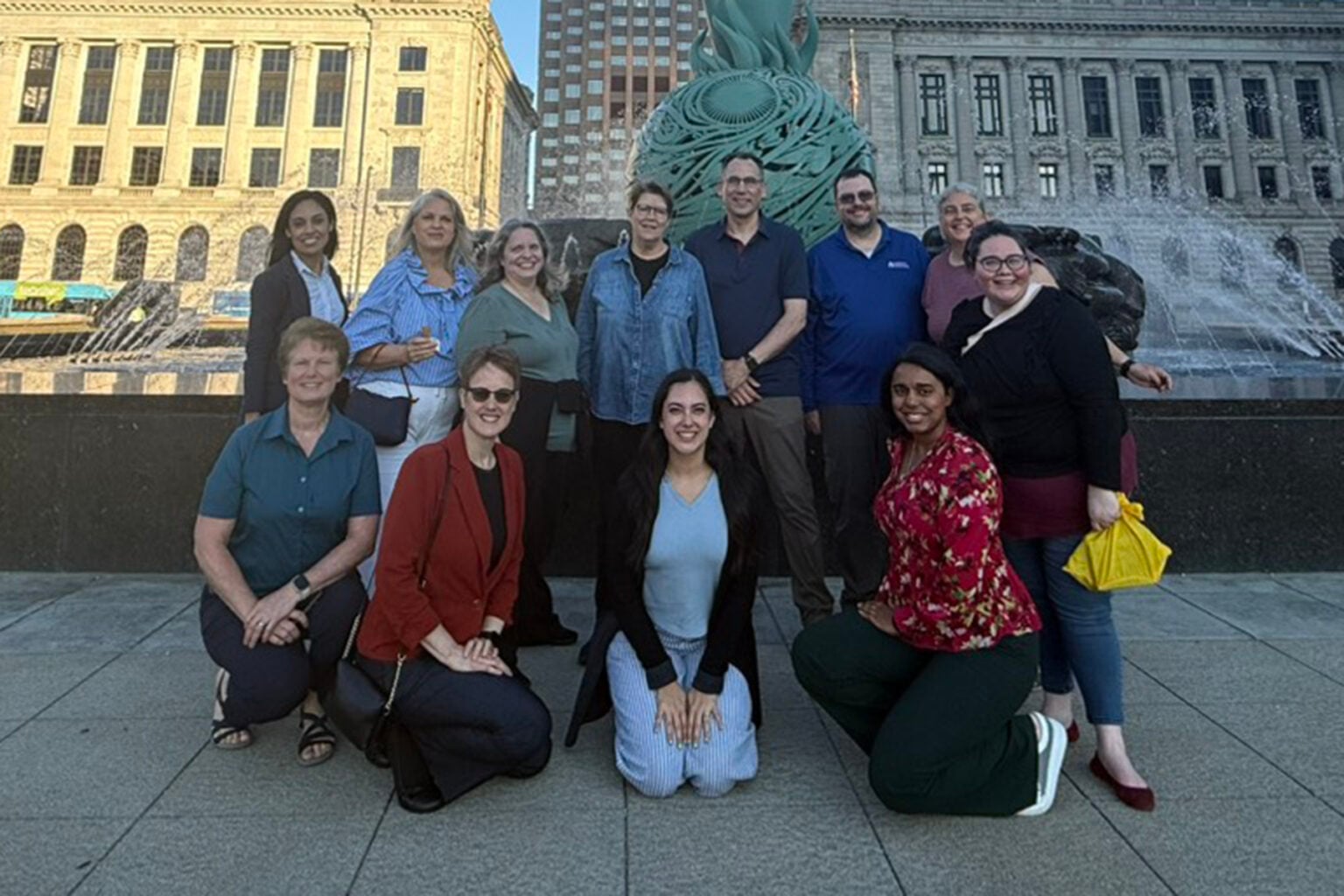
Against this backdrop, a small North American Division delegation led by Orna Garnett, associate secretary and director of Missionary Services, visited Alaska from July 22 to 28, 2026. The team explored the need and feasibility of establishing a long-term missionary presence in one of the regional hubs of Nome, Bethel, or Kotzebue.
Their key questions included: Is a career missionary needed in Arctic Alaska in 2026? What does it take to thrive in a mission field marked by both beauty and some harsh realities?
Casting a Vision for Ministry in Arctic Alaska
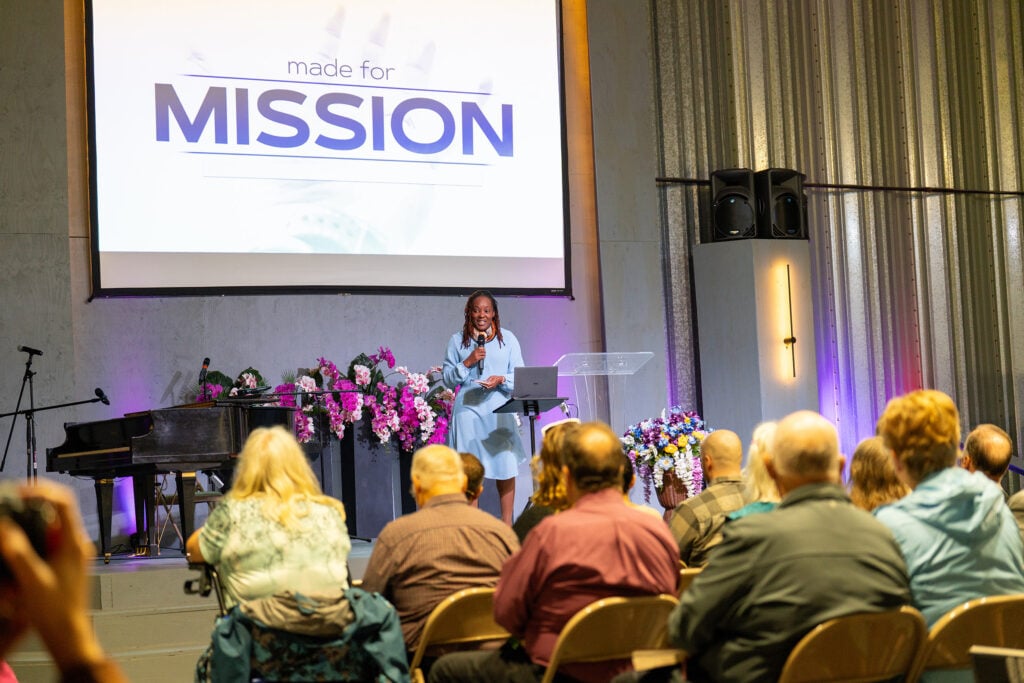
On camp meeting Sabbath, July 25, Garnett was invited to share how the division could help support the Alaska Conference’s vision for long-term mission in remote Alaska. Rodney Mills, Alaska Conference president, said he contacted Garnett after learning at the presidents’ council meeting in February that the NAD and General Conference had helped a Canadian conference place an international service employee in Iqaluit, Nunavut — a remote Arctic city with a primarily Inuit population.
“The need is not getting smaller; it’s getting greater,” Mills said. “The resources are not getting greater; they’re getting smaller. And so the gap is getting wider.”
Garnett outlined a flexible three-step framework for mission workers entering Bush Alaska: first, arrive as guests who observe, learn and respond to felt needs; then identify community priorities and work with residents toward common goals; and finally, as trusted community members, disciple and equip Alaska Native leaders to carry the ministry forward.
This framework guided the delegation’s activities throughout the visit. AMA director Tobin Dodge accompanied the team to Kotzebue, while Mills and his wife, Pamela, joined them in Bethel. In both locations, the group observed and documented aspects of daily life in the bush, including reliance on small aircraft for travel between communities and the high cost of groceries. Team members also spoke with current and former missionaries, local church leaders and members, and community representatives.
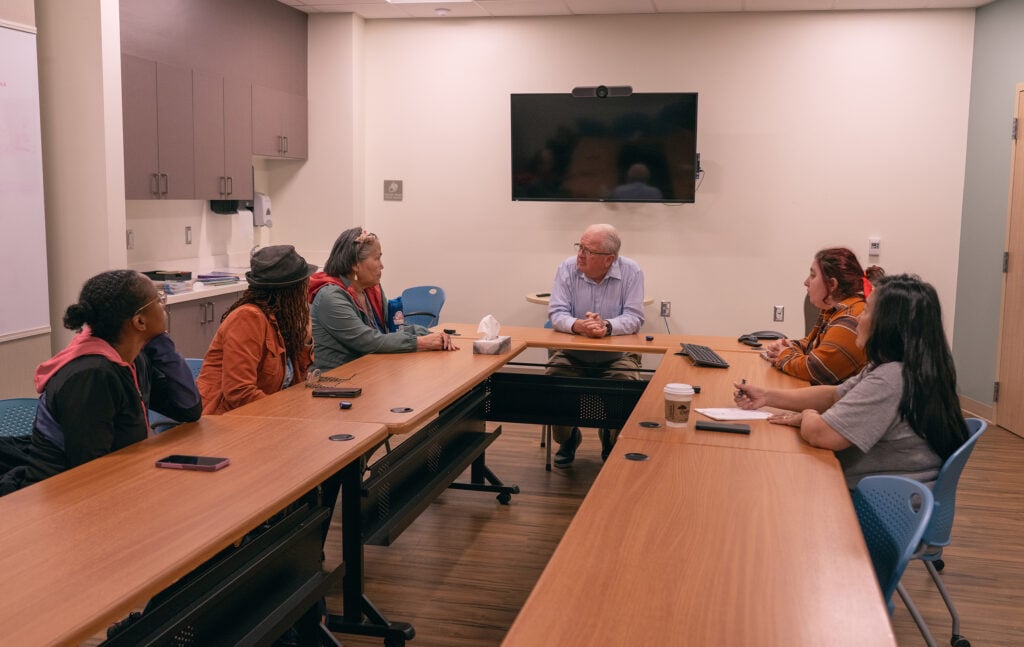
Conversations with the mayor, behavioral health professionals at the local hospital, and an emergency shelter director in Bethel highlighted community needs and potential areas for partnership. These included advocacy, mental health support, childcare, sponsorships enabling children to attend church summer camp, and social activities for youth and adults beyond worship services.
Members and lay leaders of the Adventist company in Bethel and the church in Nome are serving faithfully within their congregations and broader communities. However, interviews indicated a need for additional spiritual leadership to share ministry responsibilities, strengthen the congregations, and help develop sustainable community outreach.
Across conversations in rural Alaska, church members and leaders emphasized that sustained ministry depends on relationships built over time. They described mission workers best suited to the region as culturally sensitive, relational, humble, and resilient.
Findings from the visit, along with feasibility research conducted by Garnett, will guide continued discussions among the NAD, General Conference, North Pacific Union Conference, and Alaska Conference about the worker best suited to the region and the support needed to sustain a long-term placement.
As leaders determine next steps, they hope the assessment will contribute to a model of ministry that strengthens local partnerships, develops more Alaska Native leaders, and expands the church’s presence in remote Alaska.
Despite the challenges identified during the visit, the team concluded its six days in Alaska with a sense of hope. “The church’s presence in the Arctic towns of Alaska may be strained, but it is not dead,” Garnett said in a summary video recorded July 28. “What is clear is that there is resilience, faith, and hope among the church in Alaska.”