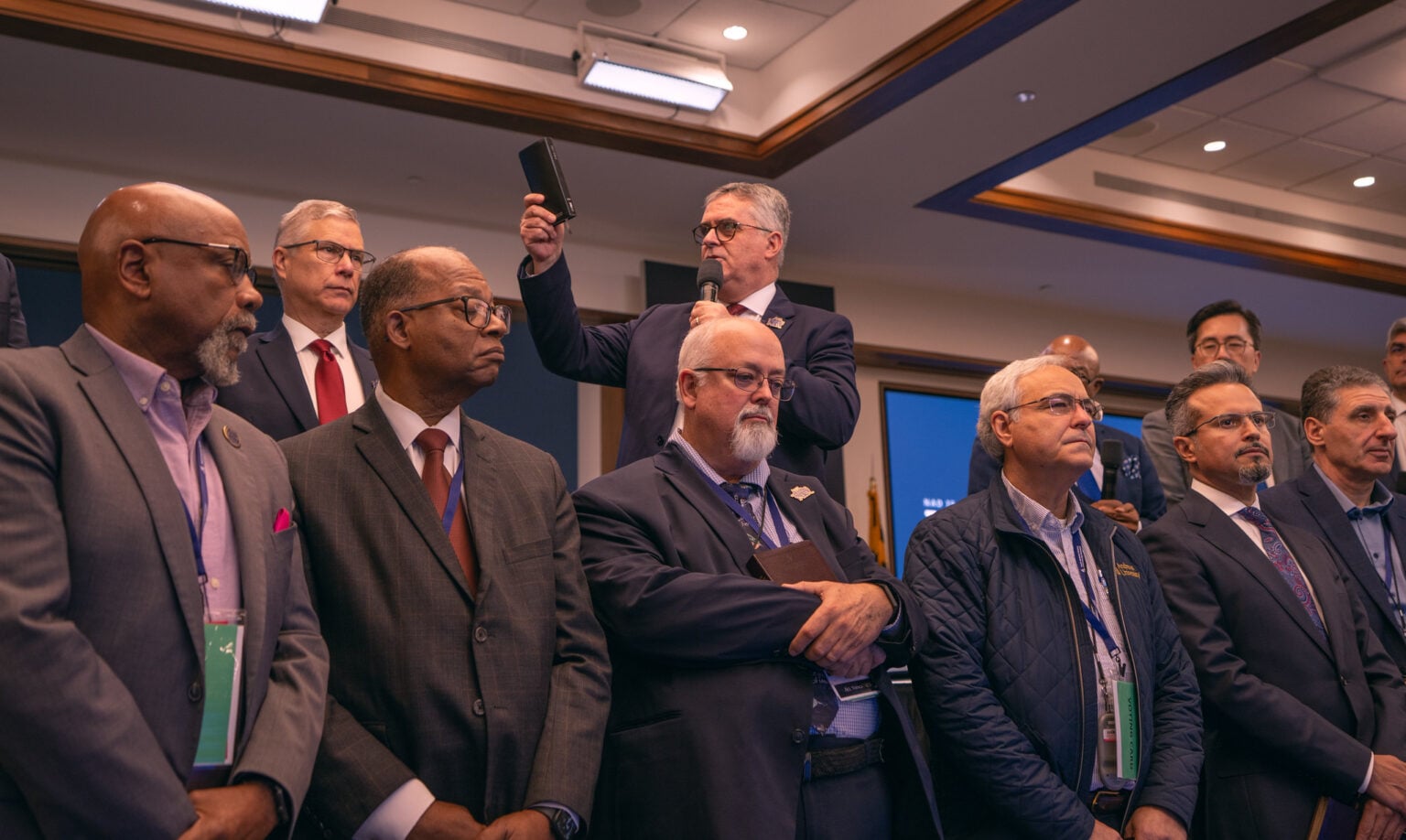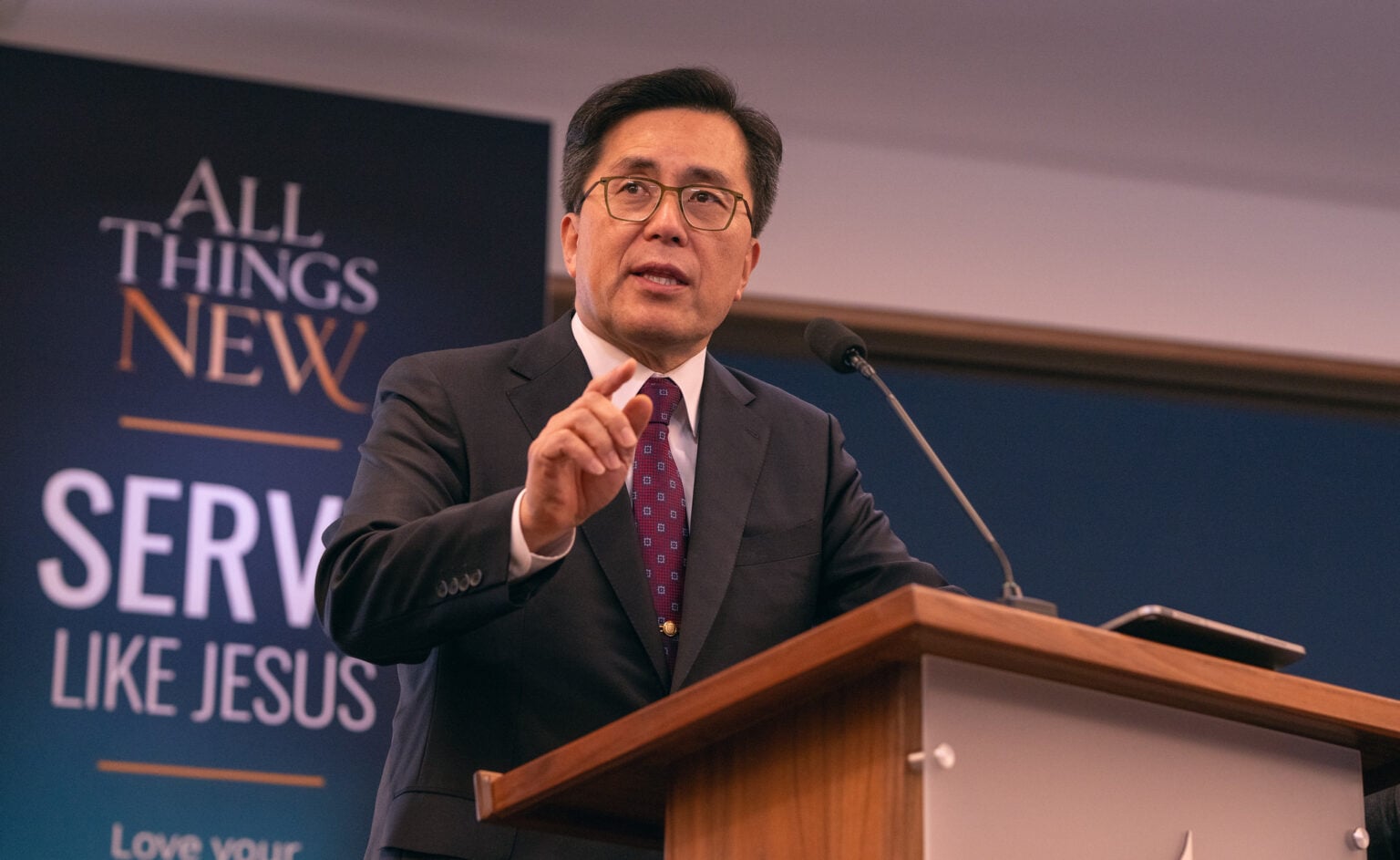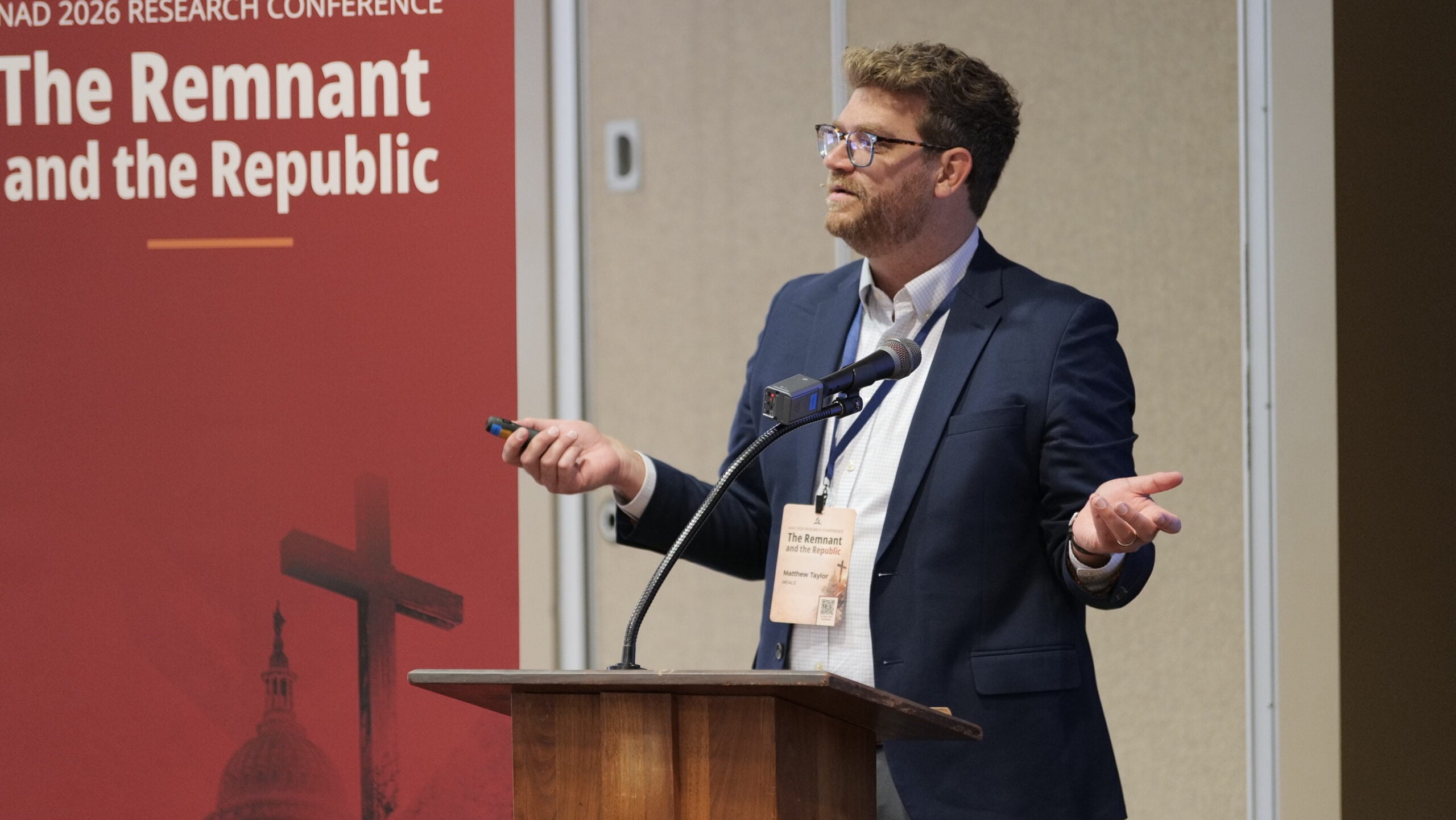
From October 14-17, 2026, scholars, pastors, church leaders, and students gathered at College View Church on the campus of Union Adventist University in Lincoln, Nebraska, to confront that question at “Remnant and the Republic: Prophetic Identity, Public Witness, and the Challenge of Christian Nationalism.” The conference was organized by the North American Division (NAD) Public Affairs and Religious Liberty (PARL) Office and the NAD department of Archives, Statistics and Research, in connection with Liberty magazine.
Among the most striking moments, author and historian, Warren Throckmorton, Ph.D., systematically dismantled the “junk history” used to argue that America was founded as an exclusively “Christian nation.” Kevin Burton, Ph.D., director of the Center for Adventist Research at Andrews University, urged a return to the spirit of the church’s pioneers, who understood that civil and religious liberty belong together. He challenged attendees to recognize that the dragon-voiced empire of Revelation 13 is not a distant future threat but has been present since the nation’s birth, evident in its slave trade, its oppression of Indigenous peoples, and its continuing injustices. The message was clear: bad history creates bad public policy.
Investigative journalist Katherine Stewart and Georgetown University scholar, Matthew D. Taylor, Ph.D., brought the story to the present, unmasking the financial networks, political strategies, and “spiritual warfare” rhetoric driving modern Christian nationalist movements. Knox Thames, a human rights lawyer and research fellow at Oxford University, widened the lens to the global struggle for religious freedom, quipping that wherever it is found, “religious nationalism is freedom for mine and not for thine.” He urged attendees to fight for others to enjoy the freedom they want for themselves.
The closing sessions turned to church mission. Jeffrey Rosario, Ph.D., warned about the cost of silence: “When a church doesn’t call out Christian nationalism, it leaves its young people vulnerable.” Pastor Dwight K. Nelson said the moment is “calling for a full activation of the Seventh-day Adventist Church” to be vigilant in defending the separation of church and state, and to be, in his words, “Christianly, like Jesus, aggressive.”
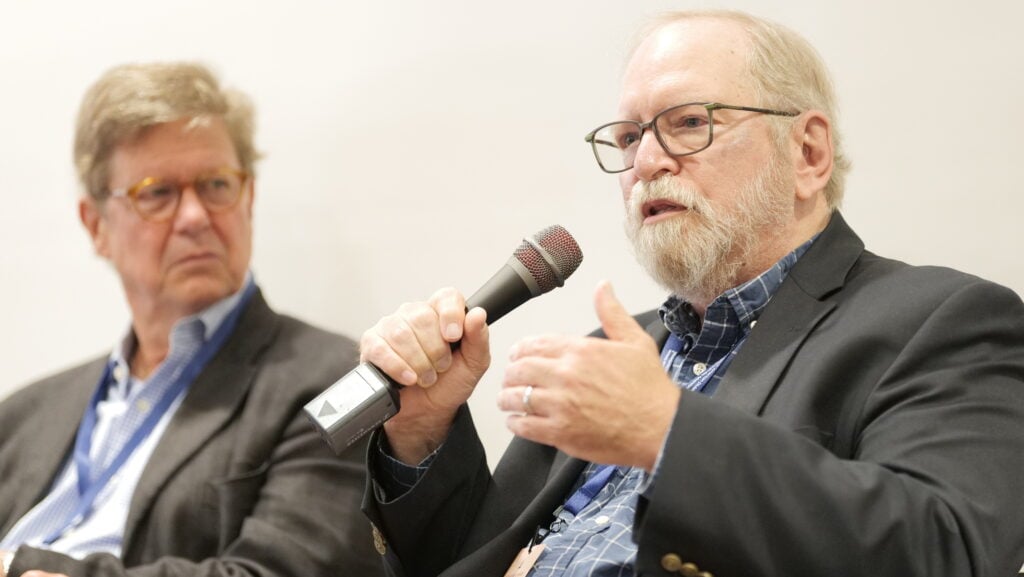
During a panel Q&A, one student asked what everyone was thinking: “How do I get my friends excited about religious freedom?”
Throckmorton answered, “Ask them, ‘What is one freedom you are afraid of losing?’ and fight for that freedom.”
Participants described the experience in similar terms. Lani, a sophomore chemistry major at Union Adventist University, said her take away was, “If you have a voice, speak up for those who don’t.”
Michael W. Campbell, Ph.D., director of NAD Archives, Statistics and Research, said the conference helped him discover “our activist roots and how our early pioneers cared very deeply about not only “Jesus is coming” but learning to live like heaven here on earth.”
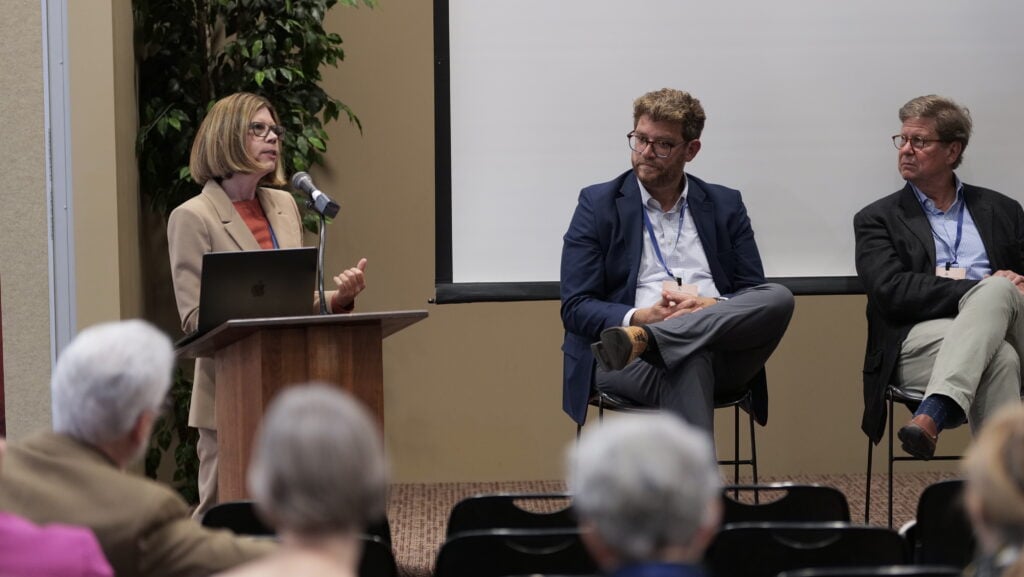
The gathering also crossed lines of faith and politics. Liberty editor Bettina Krause noted, “We can still find common ground and common values that allow us to engage in topics which are uncomfortable.” Elisha Coffman, Ph.D., from Baylor University, praised the rare table where scholars, administrators, pastors, and undergraduates sat side by side. She said Adventism’s contribution to religious liberty would inform her work as a history professor.
As attendees left Lincoln, the central message was clear: freedom of conscience is inextricably bound to the freedom of one’s neighbors. Religious coercion cannot be condemned only when one’s own rights are threatened. Freedom of conscience must be defended with equal conviction when it affects a Muslim neighbor’s worship, a Jewish neighbor’s safety, an atheist’s conscience, or another Christian’s freedom.
Organizers share that for those who couldn’t attend the conference, the recordings, available on the Adventist Learning Community website, should be considered “essential viewing.”
— Bithja Riché and Joel Stapleton are Branson Fellows at Washington Adventist University, Honors College.