Close your mind’s eye and imagine:
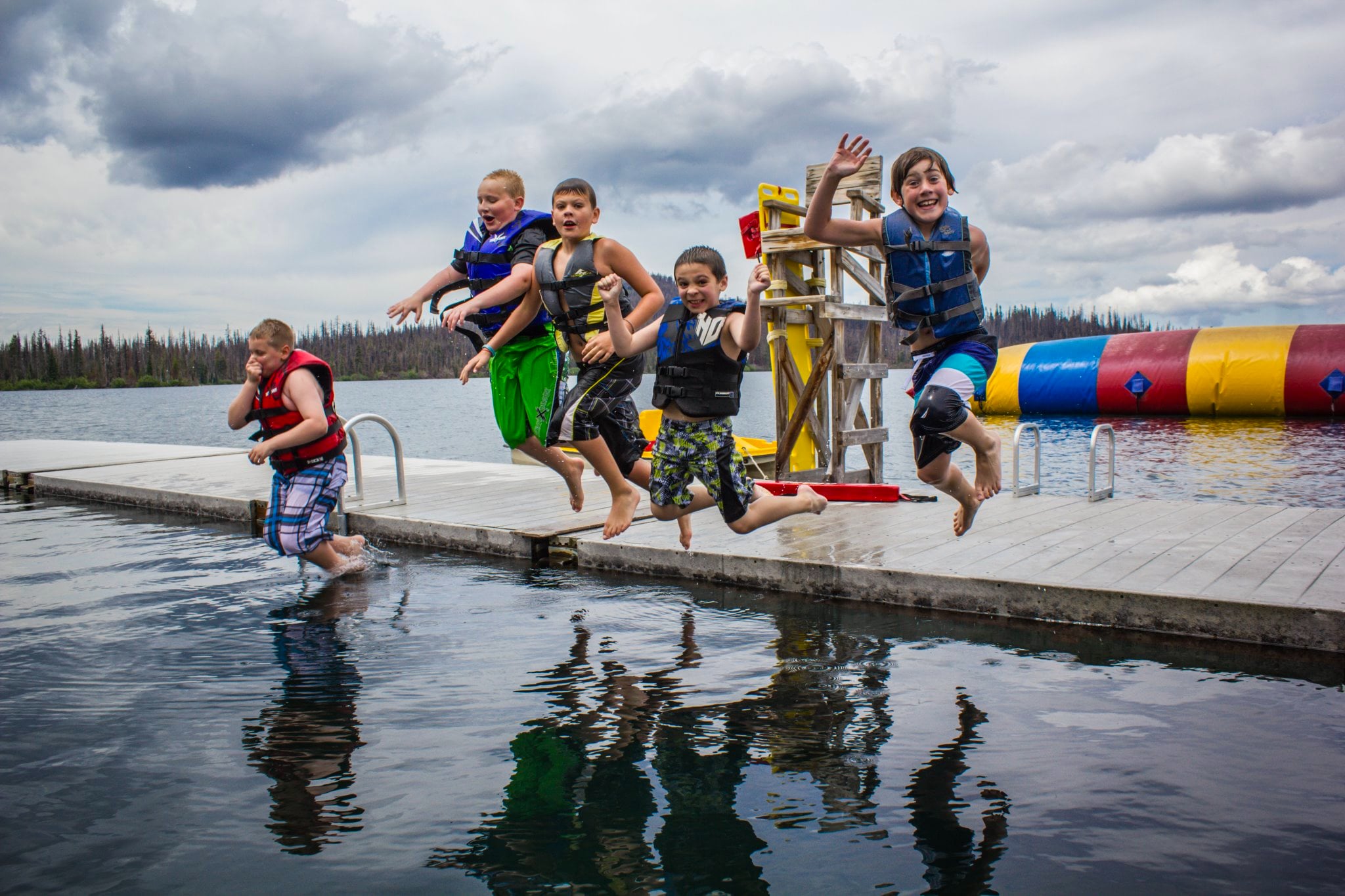
The smell of campfire smoke. The giddy squeals and then the splash of a group of kids jumping off the dock together. The snick of an arrow hitting the target. Biscuits and gravy. The smell of horses. Wind whipping through your hair out on the lake. Guitars and cowboy hats and “Let Us Come Together” with all the hand motions.
Now open your mind’s eye. Where are you right now?
If you answered “summer camp,” you have likely been among one of the lucky 34,000 young people who attend Adventist summer camps in North America every single year. Or, perhaps you’ve been counted among one of the 2,700 young adult summer camp staffers who are some of the most passionate seasonal workers you’ll find. Or maybe you’re even one of the 150 full-time staff who have dedicated their careers and hearts to camp.
“Summer camp affords what I would call sacred space,” comments A. Allan Martin, pastor of Younger Generation Church at Arlington Adventist Church in Texas, who both camped and worked at Camp Kulaqua in Florida for many years throughout his life. “It’s a place where, despite all the things going on, time slows down enough so you can actually live. When we’re in those natural spaces, there’s a wonderful rhythm of grace and reflection.”
It’s a rhythm that has been beating for an entire century. 2026 marks the 100th anniversary of the first Adventist summer camp in the North American Division — Camp Idyllwild in southern California (predecessor to Pine Springs Ranch). This was soon followed by Camp Wawona near Yosemite National Park in northern California, the oldest camp still currently in operation.
In 1925, W.J. Gilson opened the first-ever Adventist summer camp in Yarra Doon, Australia. The following year, Grover Fattic, youth director for East Michigan Conference, held an all-boys camp in Michigan, and around that same time, Harriet Holt, junior secretary for the Missionary Volunteer Department of the General Conference, led a camp for girls in Wisconsin.
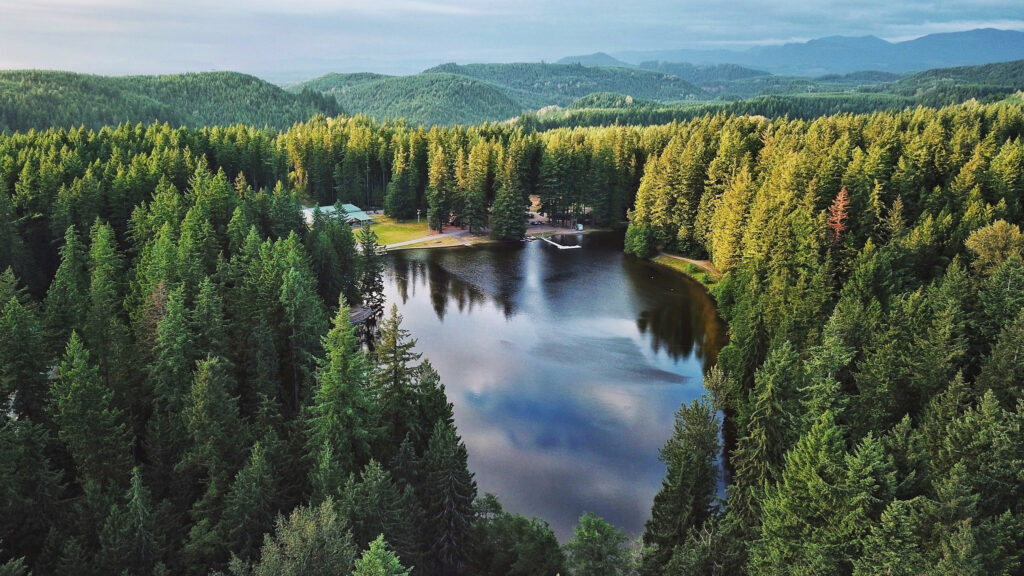
Today there are more than 60 Adventist summer camps across the NAD, covering upwards of 14,600 acres of natural land, and dozens more camps around the world.
“There’s an intentionality about being placed in that environment,” says Jason Perkins, director of Camp Frenda in Ontario, Canada. “When they’re in nature, hiking from their cabin down to the horse barn or the swim dock, and they’re not on their devices, they’re conversing. Many of them are seeing things for the first time, and even at night, when Campfire is over and they head back to their cabin, they can see stars they would never see at home. It’s just them and the Creator.”
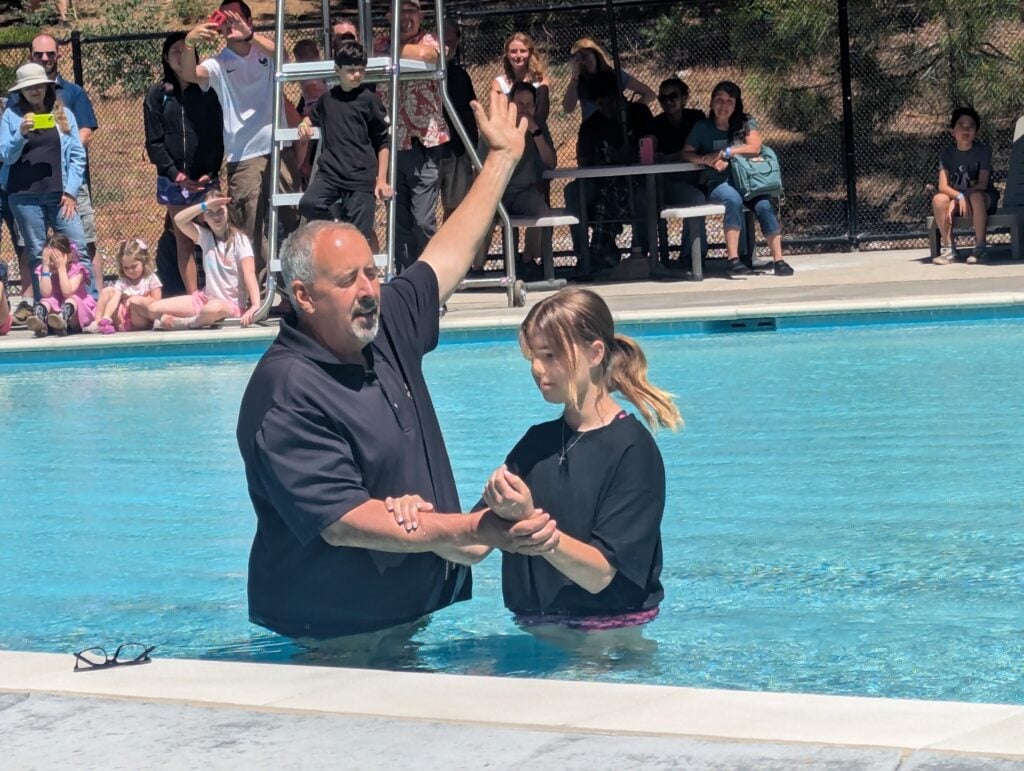
Every year, hundreds of campers choose to be baptized — many right there at camp. Roughly one-third to one-half of campers are non-Adventist or from families who do not regularly attend church.
“Summer camp evangelism works in several different ways,” explains Shelina Bonjour, director of Indian Creek Camp in Tennessee, who started her summer camp experience as an eight-year-old at Sunset Lake Camp in Washington State. “For the kids like me, a PK (also known as a pastor’s kid) who was always solid in my love for Jesus, camp is a place to reaffirm that relationship. For kids who feel unsure, camp is where they can explore their feelings and make their own decision for Christ. And for kids who have never heard a word about Jesus before, camp is a powerful introduction to Him.”
A perhaps overlooked or at least undercredited part of that encounter with the divine is the camp staff.
“I remember with great surprise and awe that there were young adults who would pay attention to us as kids,” Martin shares.
Bonjour says her first summer camp counselor was as impactful to her as her first-grade teacher. “I remember feeling very loved and safe with her,” she adds.
Brandon Grentz, counseling services coordinator at Southern Adventist University, who worked for a time at North Star Camp in Minnesota, says that possibility gave him pause as a staffer.
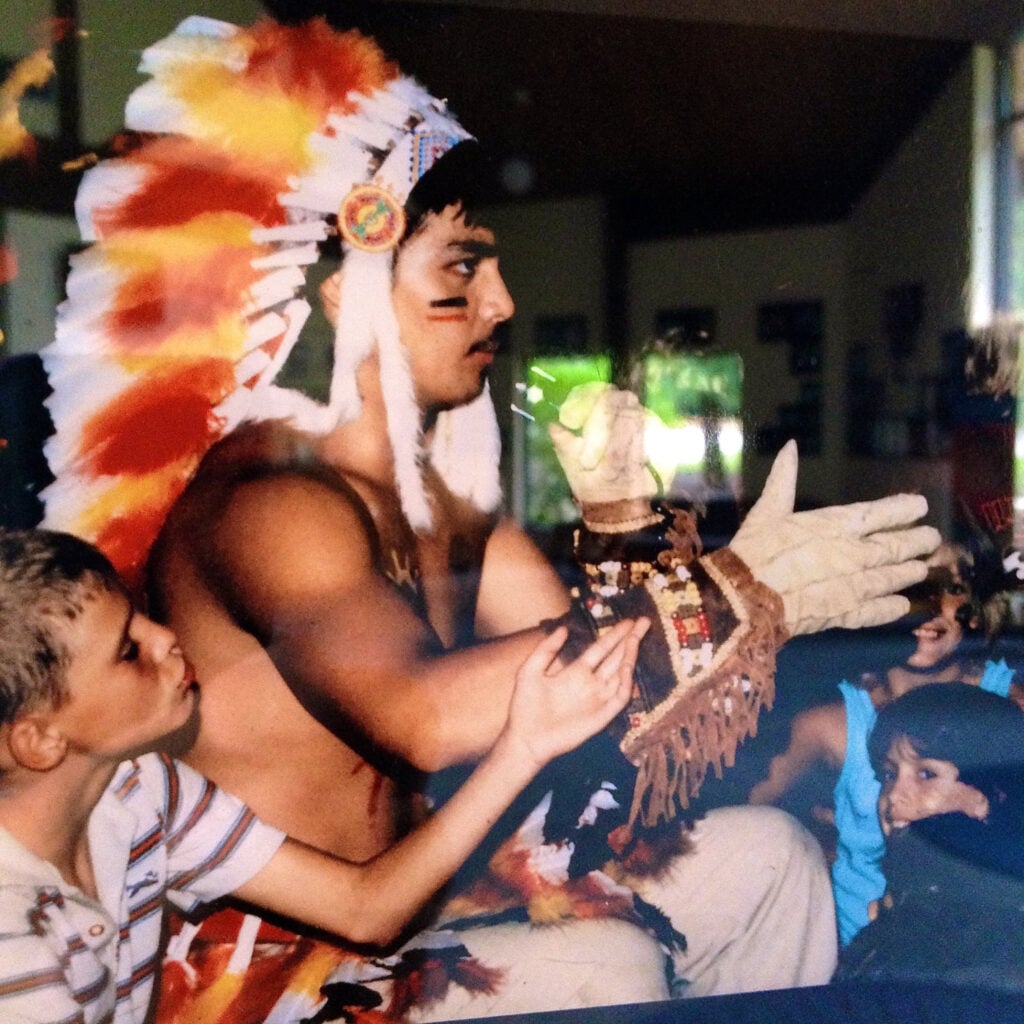
“The influence you have on the kids and the trust they instantly place in you makes you quite self-reflective,” he shares. “It made me really think about how I was acting because you so quickly see they imitate whatever you do and take everything you say very seriously.”
And while campers are finding new role models and developing new skills, camp staff are often discovering their calling and getting a glimpse of their future. Some estimates place the percentage of former summer camp staff who eventually work for the church in different areas — such as ministry, education, and healthcare — at more than 80 percent.
“Summer camp significantly influenced me,” says Martin. “I had always loved being involved in youth ministries. I thrived in those environments and felt I understood the pulse of young people at the time. The Adventist influence on the next generation was something I knew I wanted to be part of.”
Grentz had already switched his focus in college from pastoral ministry to counseling when he spent his first summer working at North Star Camp. During junior camp, one camper consistently frustrated the staff with his behavior choices and his disinterest in listening or participating. “I had to talk to him over and over again,” Grentz recalls. On Sabbath, the last day of camp, Grentz was called to that camper’s cabin because the camper was sobbing inconsolably.
“I sat down next to him, and he just cried, ‘I’ve had a hard life!’” Grentz says. Grentz sat with the camper for two hours, listening to him pour his heart out. “He shared heartbreaking things happening in his life, and I cried alongside him. What I heard God saying to me was, ‘Be careful how you see people, because you don’t know what’s going on in their lives.’” It was in that moment Grentz knew he was headed in the right direction. Bonjour spent four summers as camp staff and recalls how honored she felt that so much faith was placed in her. “People let me dream and grow, and I couldn’t wait to encourage other people and help them experience what I did,” she says says. “So I became a camp director!”
Perkins recalls a young man who, after a particularly impactful summer working at Camp Frenda, felt called to enter pastoral ministry. “The Holy Spirit used summer camp to show this man his path,” Perkins says.
One staffer at Indian Creek Camp started at teen camp, where he made his decision for Jesus. “The year after that I invited him to come work here,” Bonjour says. “He told me camp changed his life and he couldn’t wait to be involved. He was trusted with more responsibility than he was prepared for, but he was supported in such a way that he was able to meet those expectations. That’s my goal as director — to let people stretch their wings while they look at what it means to grow in leadership.”
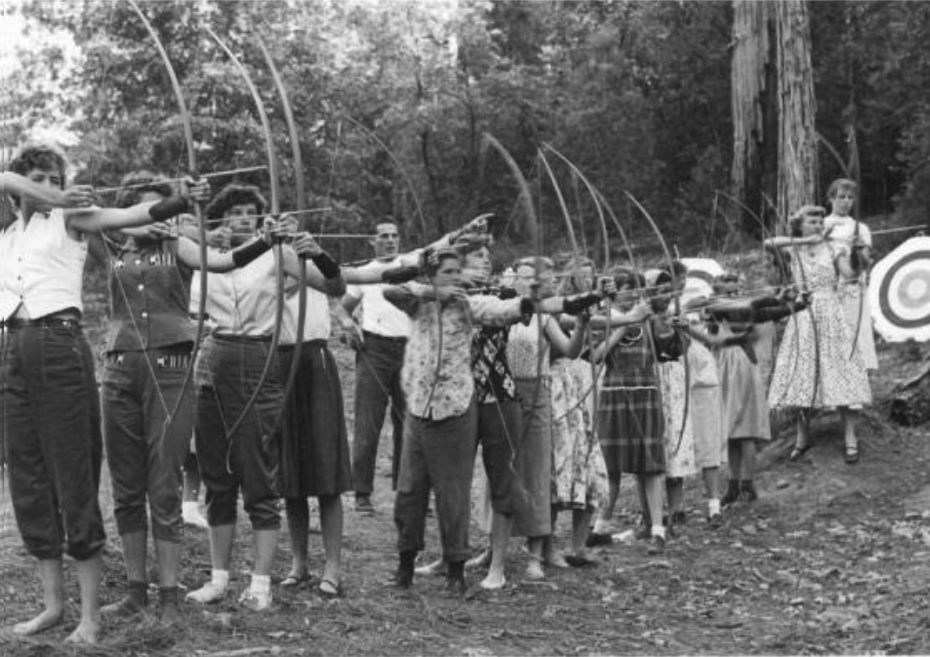
The opportunity to foster leadership skills in young adults at summer camp is unmatched. As 18- or 20-year-olds they are entrusted with putting kids on large animals or motorbikes, keeping them safe as they jump off a zip line or shoot a bow and arrow. They drive camp trucks and tractors and motorboats and jetskis and backhoes — usually for the first time. And they always rise to the occasion.
“My sneaking suspicion is if we allowed summer camp to become an onramp into vibrant local church leadership, we could use it as a succession plan for leadership at various managerial levels of the church,” Martin states. “We give those young people enormous responsibility, and despite our failures and hijinks and foibles, at the end of the summer, hundreds of kids have given their lives to Jesus. We should keep that momentum going even when summer camp isn’t in session. Why would we want that to stop?”
“You live up to what people expect of you,” comments Grentz. “The admin pouring their trust, confidence, and high expectations into staff is a huge ministry in and of itself.”
Though camp is designed to minister to campers, the very act of fulfilling that purpose changes the hearts of the staff members, too.
“It’s an environment where you can’t help but encounter God in some way,” Grentz says. “I haven’t met anyone who worked at camp, even if they were resisting it, who didn’t interact with God while there.”
Before the 2025 summer camps officially began at Camp Frenda, Perkins started a staff Bible study. “It became such a fantastic open discussion forum, that even when camp got busy, many of the staffers continued their small group studies throughout the summer,” he shares. “It was a safe space to talk about school, family, relationships, and life, and it became a fantastic outlet for them.”
Whether they choose to remain in camp ministry or become pastors, teachers, nurses, counselors, doctors, or other church employees, the path between camper, camp staff, and service to the church is clear.
“Camp staff are so impacted because they’re not merely asked to be disciples, they’re asked to be disciple-makers,” comments Martin. “They’re asked to audaciously introduce people to the kingdom, and invite them to take a step of faith. It wonderfully replicates the method, the mission, and the heart of how Jesus made disciples.”
And it’s more than just singing a few songs to start and end the day; it’s about connection and influence.
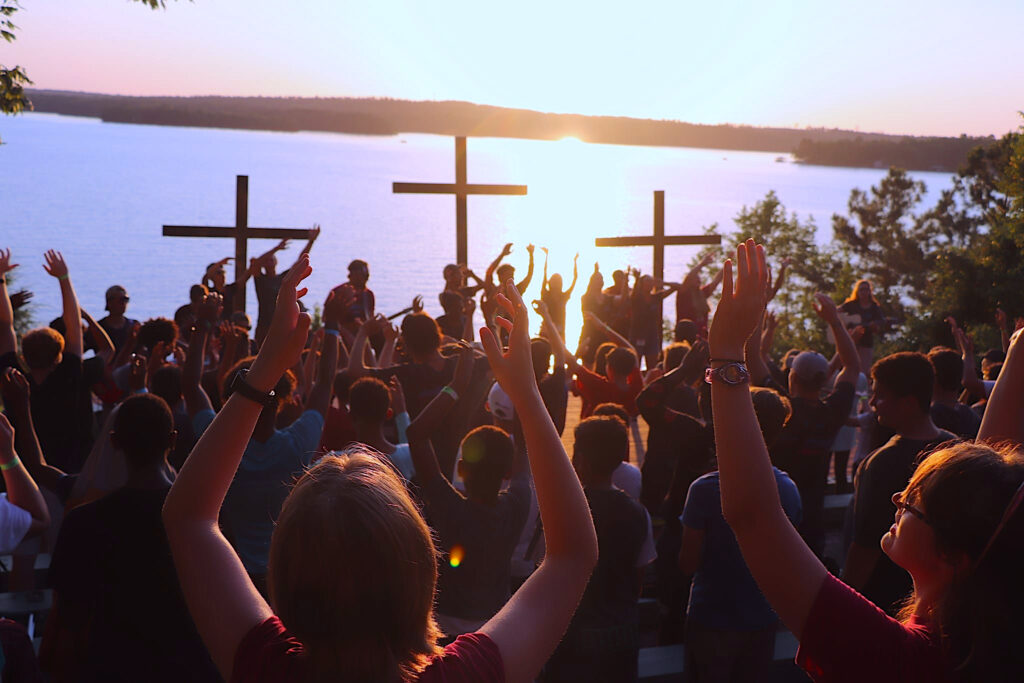
“We can do worship all day long, but if the staff are not showing what Jesus looks like and loving it, our worships are minimally effective,” comments Bonjour. “These kids come to go rock climbing and waterskiing, and as they do that, they discover a God who loves them.”
Generations of campers, camp staff, and camp directors have walked the trails and docks of Adventist camps across the NAD over the last century. Much has changed — technology, of course, types of classes offered, songs sung around the campfire, what the campers wear — but the core of summer camp remains the same.
“Kids are full of wonder and curiosity,” Bonjour says with a smile. “If they can catch the joy of what a life in God is like, you’ve got them hooked for life. Ministry to kids is the best job there is. Whether it’s a hundred years ago or now, I think every camp director would agree on that.”
In a video about the 100th anniversary of Adventist summer camps in North America, Terry Bolton, business manager at Leoni Meadows in northern California and summer camp historian, comments, “Blessed by God, Adventist camp ministry has become one of the most effective evangelistic tools for reaching children and young adults.”
Though we as Adventists carry the hope that Christ will return before another 100 years go by, for as long as we remain on this earth, summer camp directors and their staff will do everything they can to continue bringing the hearts of children to Jesus.
“If we’re going to move this into the future, should the Lord require it, it should be like the last 100 years,” Martin states, “where summer camp had us relying on one another for faith, community, and being the body of Christ. We’re better together.”
And there’s no better place to be together than at camp—where it feels like a little piece of Heaven here on Earth.
For a complete list of NAD summer camps and for information about the upcoming 100th anniversary celebration at Camp Kulaqua, visit adventistcamps.org.
Did You Know…?
With more than 60 summer camps across the North American Division, it’s likely there are at least one or two you’ve never heard of, let alone know anything about. Well, that’s about to change! Check out these fast facts about a few of our NAD camps.
At 9,000’, Glacier View Ranch in Colorado sits at the highest elevation of any NAD summer camp.
Indian Creek Camp in Tennessee is situated along a river and boasts 700 miles of shoreline.
Camp Cedar Falls in California was originally used as a fish hatchery.
Though it wasn’t an Adventist camp at the time, the location of Camp Daniel L. Davis in Pennsylvania was used as a stopping point on the Underground Railroad.
Located on the shores of Tuttle Creek Lake, Broken Arrow Ranch in Kansas is said to have the only sandy beach in the entire state.
Bing Crosby once sang from a boat during a special program at Camp MiVoden in Idaho.
Camp Lorraine in Alaska can only be accessed by boating nine miles.
The original lodge at Camp Sagola in Michigan was built of materials from a disassembled hotel on a nearby island.